What is nuclear fusion? The engine that powers the stars
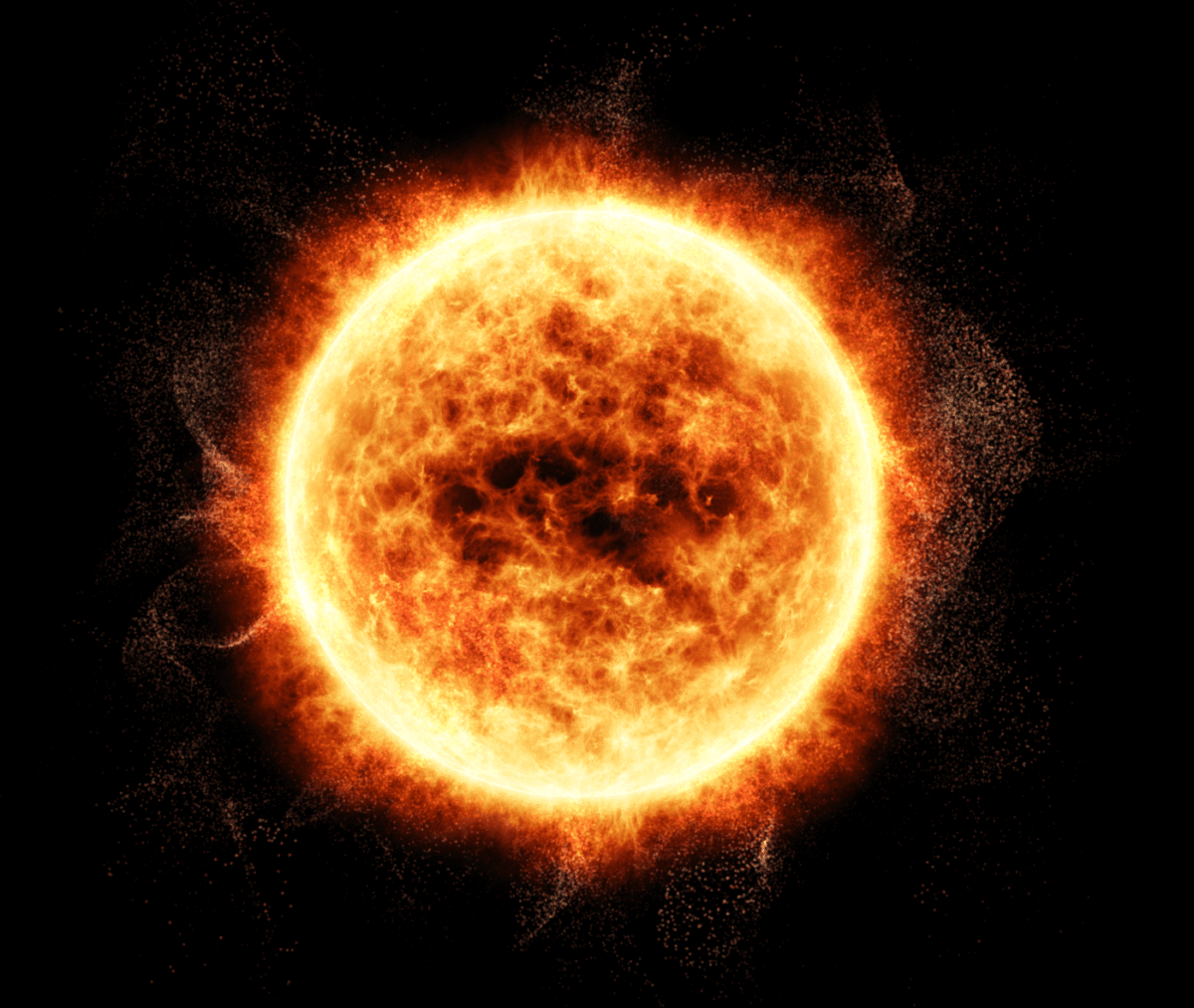
The energy of the Sun, like that of all other stars, comes from a nuclear reaction known as nuclear fusion. We could say that researching fusion on Earth is, quite literally, an attempt to ‘bottle a star’ and harness it for our own use.
To understand it, it is useful to compare it with nuclear fission, which is the technology used in today’s nuclear power stations. Whilst fission involves ‘splitting’ very heavy atoms to release energy, fusion is the reverse process: it consists of joining two very light atomic nuclei to form a single, heavier nucleus. A huge amount of energy is released during this joining process.
The ‘Holy Grail’ of energy
Fusion reactions produce an extraordinarily high amount of energy (about four times that of fission). For this reason, scientists around the world are working to replicate this reaction in a controlled manner on Earth.
If successful, fusion will become the basis for the reactors of the future, capable of providing a virtually unlimited supply of clean (greenhouse gas-free), safe, and affordable energy to meet global energy demand. A true turning point for the future of our planet.
If you’d like to find out more about nuclear fusion, don’t miss the following articles:
🌌 The physics of the reaction: How do atoms fuse, and why do they release so much energy?
🌊 Fuel: Sea water and lithium: Discover why the secret to fusion lies in sea water.
🔄 The tritium cycle: How do reactors plan to produce their own fuel?
🧲 Technology and confinement: Giant magnets and lasers: how we control plasma.
⚖️ Advantages and challenges: Is it really safe? The pros and cons of the energy of the future.
🌍 The current state of fusion: From ITER to private companies: this is the global scientific race.
🗓️ When will fusion be ready?: The timeline for humanity’s greatest energy promise.