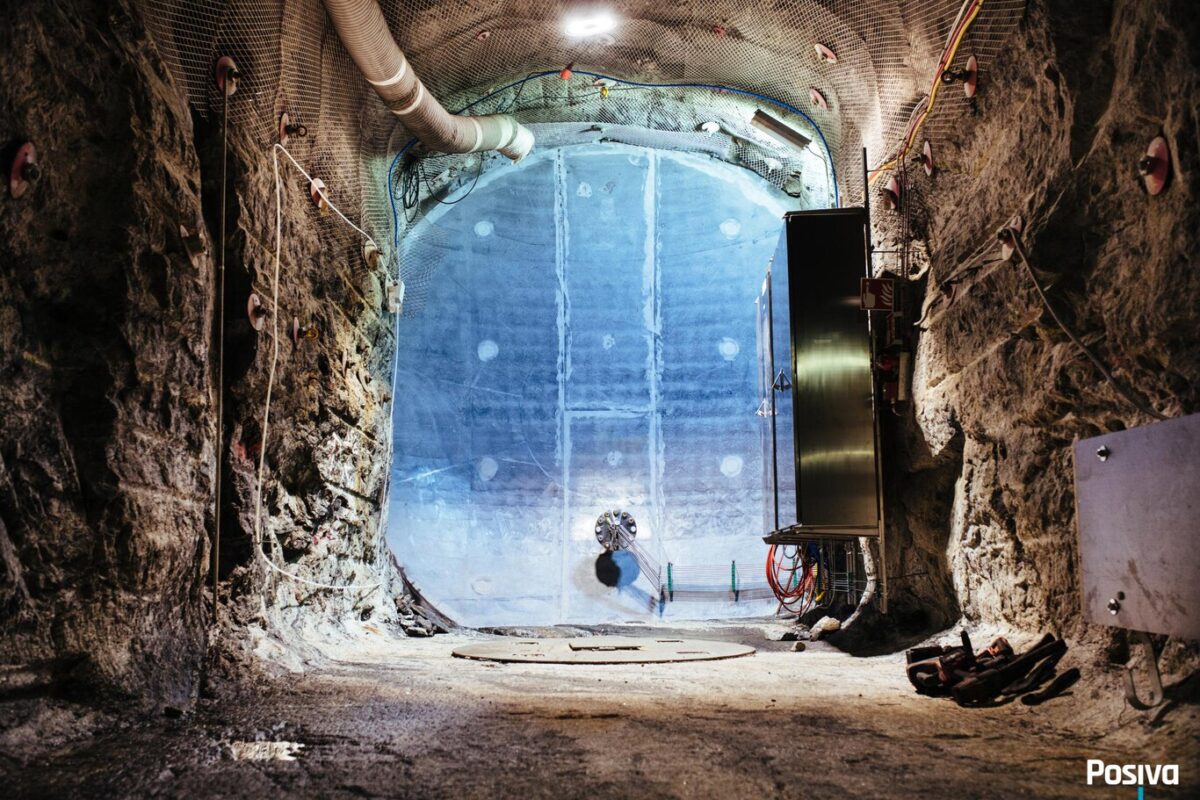
At a depth of 430 metres, within a labyrinth of tunnels carved into a 1.9-billion-year-old bedrock composed of migmatite-gneiss (known for its high stability and low risk of earthquakes), lies the world’s first permanent repository for radioactive waste.
lgala
A new edition of the Lise Meitner Programme!
 Read More
The International Atomic Energy Agency (IAEA) has organised a new edition of the Lise Meitner Programme, which will take place from 14 to 17 October 2026 in France and Vienna.
Visit by the Lise Meitner Programme to the Russian Federation
 Read More
The Rosatom Technical Academy and the Joint Institute for Nuclear Research (JINR) have organised a visit for participants in the Lise Meitner Programme from 2 to 15 August 2026 to learn about the life cycle of nuclear power plants, the nuclear fuel cycle, and research and development activities, with a focus on safety, security and safeguards.
China is to launch a prototype reactor that converts nuclear waste into energy
 Read More
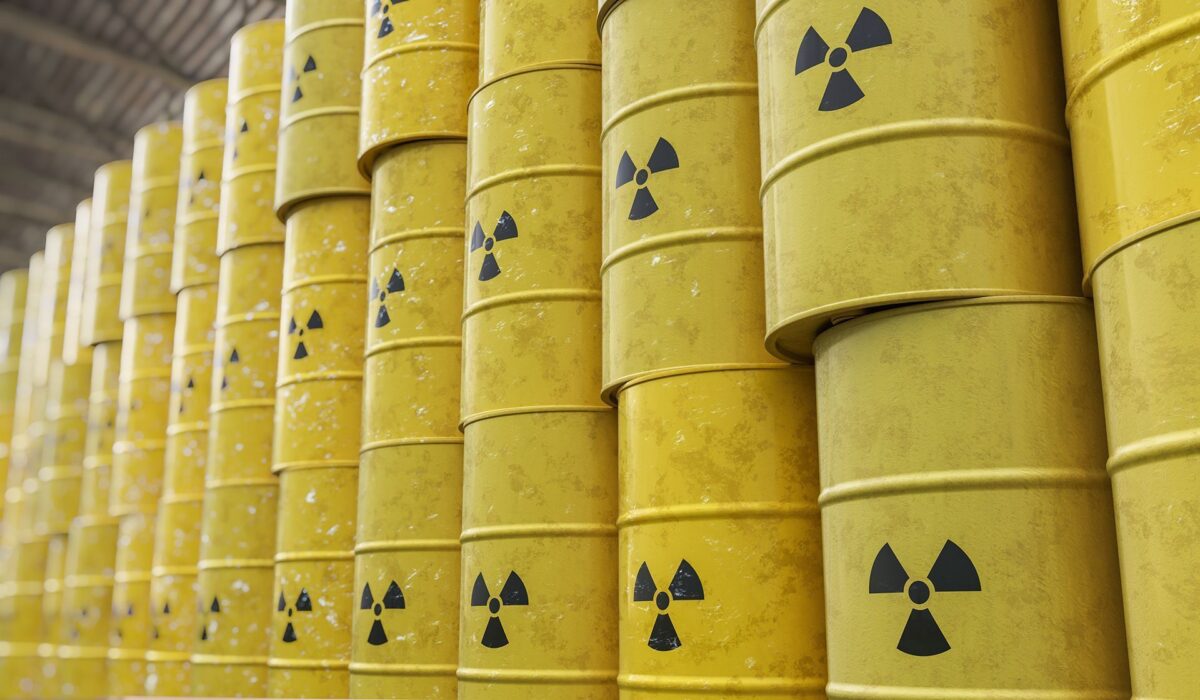
In 2027, China will launch the first prototype of a 1 MW Accelerator-driven Subcritical System (ADS) reactor, capable of using nuclear waste to generate ‘sustainable, safe and stable’ energy, becoming the next step towards commercial viability.
NASA Successfully Completes Tests of Its Cold‑Flow Nuclear Engine Prototype
 Read More
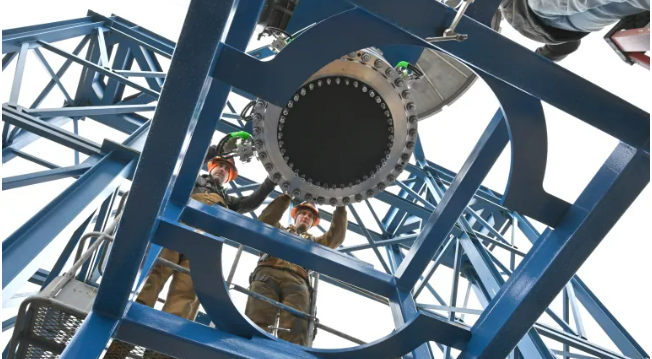
NASA has reached a milestone in the space race with this technological breakthrough — the first of its kind since the 1960s — which promises to double the efficiency of current rockets and open the door to interstellar missions.
Nuclear energy guarantees energy supply for Artificial Intelligence
 Read More
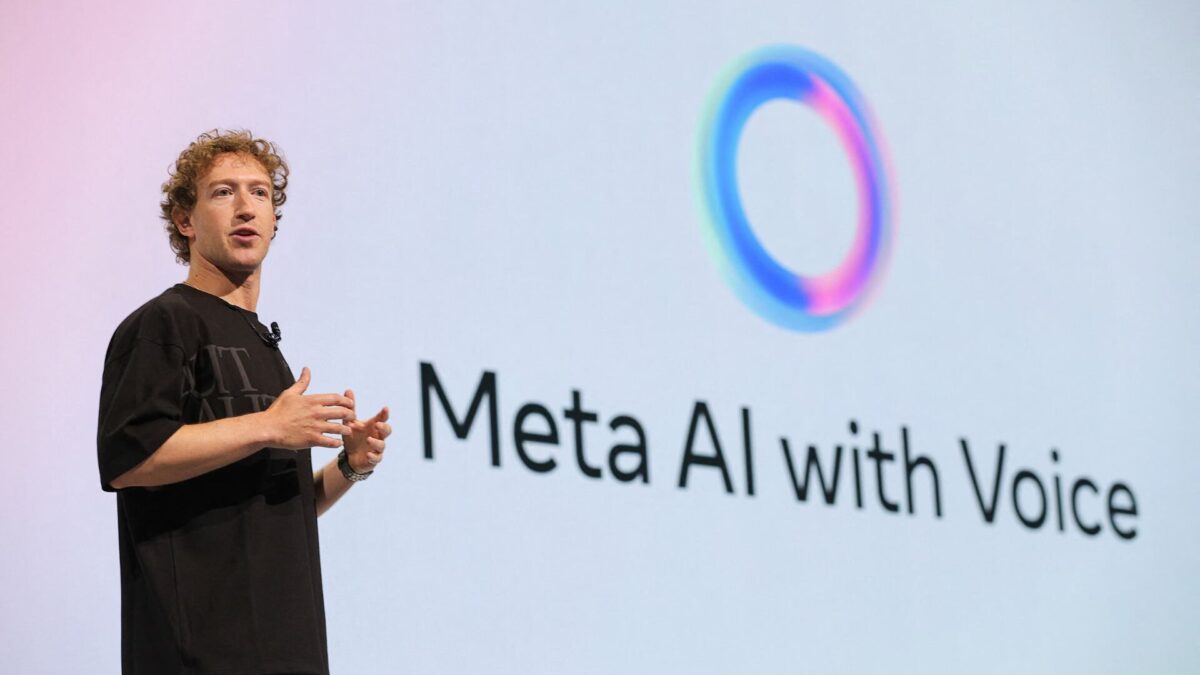
The American company Meta has signed agreements with Vistra, Oklo, and TerraPower to secure energy supplies for its Promeheus (AI) data centre supercluster in New Albany, Ohio (United States).
The United States has begun construction of its first Small Modular Reactor
 Read More
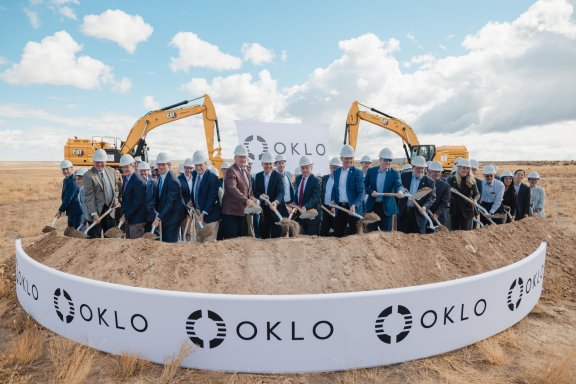
The advanced nuclear technology company, Oklo Inc., has begun construction of the Aurora-INL reactor. This is a sodium-cooled fast reactor that uses metallic fuel and builds upon the design and operational legacy of the Experimental Breeder Reactor II (EBR-II), which operated from 1964 to 1994.
Launch of the new LANENT website!
 Read More
The Latin American Network for Education and Training in Nuclear Technology (LANENT) is a network of institutions in Latin America and the Caribbean interested in education, training, knowledge management and outreach in the nuclear field.
Rhinoisotopes, an effort to combat rhino poaching
 Read More
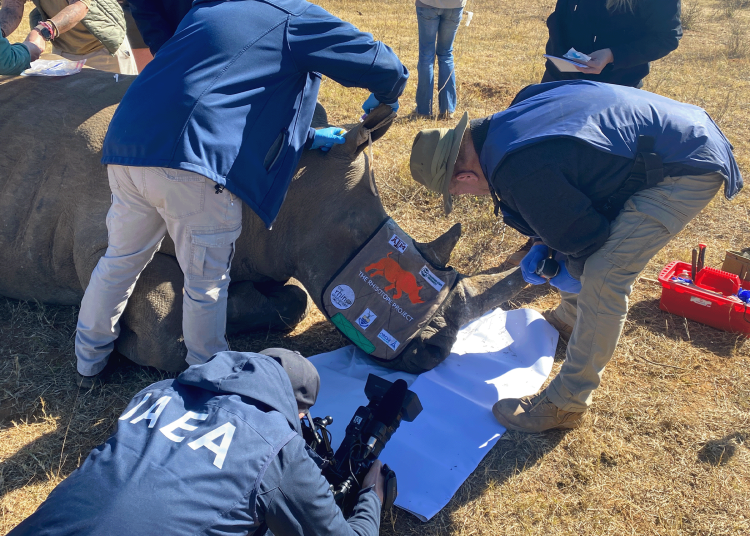
South Africa, home to the world's largest rhino population, continues to attract criminals who poach them for the illegal trade in their horns, resulting in the loss of more than 10,000 rhinos in the last decade.
A milestone that could change the future of energy: Batteries that could last 6,000 years
 Read More
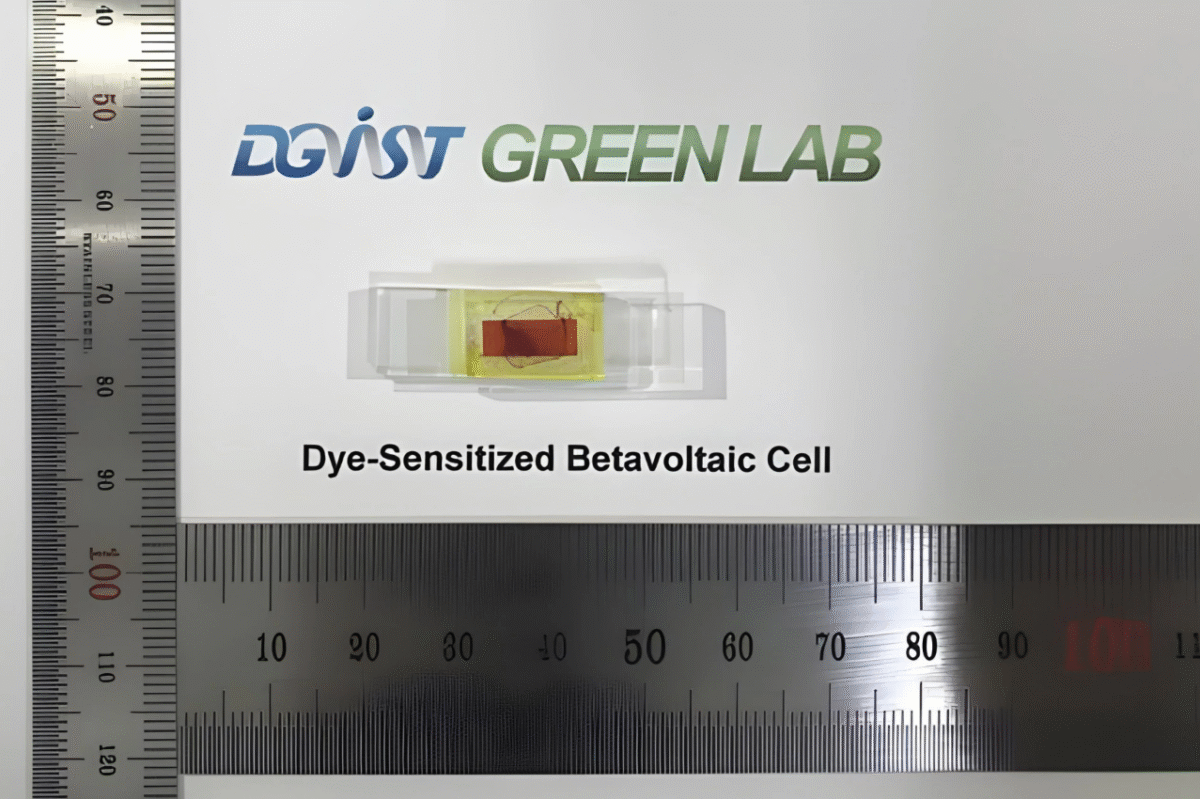
Researchers at the Daegu Gyeongbuk Institute of Science and Technology in South Korea have developed a nuclear battery that uses beta particles emitted by materials such as carbon-14 or radiocarbon to generate useful electricity efficiently, stably and cleanly for centuries with almost no degradation.
New Master's Degree in Nuclear Technology!
 Read More
Nebrija University, in collaboration with Westinghouse Electric Spain, has developed this master's degree programme, which will be offered for the first time in October 2025 to meet the demand for professionals in the nuclear sector.
Another milestone towards nuclear fusion thanks to the Wendelstein 7-X experimental reactor
 Read More
The Wendelstein 7-X experimental reactor has successfully sustained the fusion reaction using high-performance plasma for 43 seconds and delivered 1.8 gigajoules of energy, setting a new record on the road to achieving nuclear fusion.