Smart Home: Heating and Electricity Savings Through Home Automation
From Traditional Automation to the Connected Home
Maintaining thermal comfort in winter while managing electricity bills used to rely entirely on manual effort: turning on the heating when cold or remembering to unplug idle electronics. In the past, automating these processes required complex, expensive, and hardwired systems reserved for high-end builds.
Today, the rise of smartphones, home Wi-Fi, wireless sensors, and unified connectivity standards (such as Matter and Zigbee) allows anyone to transform a property into an energy-efficient smart home with a minimal budget and no construction work.
Key Strategies to Optimize Energy Use with Technology
1. Smart Thermostats and Geofencing
Rather than running heating on rigid timers (wasting energy when no one is home), smart thermostats adjust indoor temperatures based on your real-time location.
- Using geofencing, the system detects when you are heading home and warms the house just in time, scaling back heat output as soon as you leave.
- Systems automatically adjust schedules according to daily local weather forecasts.
2. Door and Window Contact Sensors
Installing compact, wireless contact sensors on windows and patio doors enables smart energy guardrails: if a window is opened for fresh air, the thermostat automatically pauses heating or cooling to prevent energy loss, resuming operation once closed.
3. Smart Plugs and Power Strips to Cut Phantom Loads
Unplugging TVs, gaming consoles, or sound systems manually every night is impractical.
- Connecting entertainment centers to smart power strips or plugs allows scheduled shutdowns during sleeping hours or workdays.
- Modern smart plugs also include real-time energy monitoring tools to identify power-hungry appliances.
4. Smart Radiator Valves (TRVs)
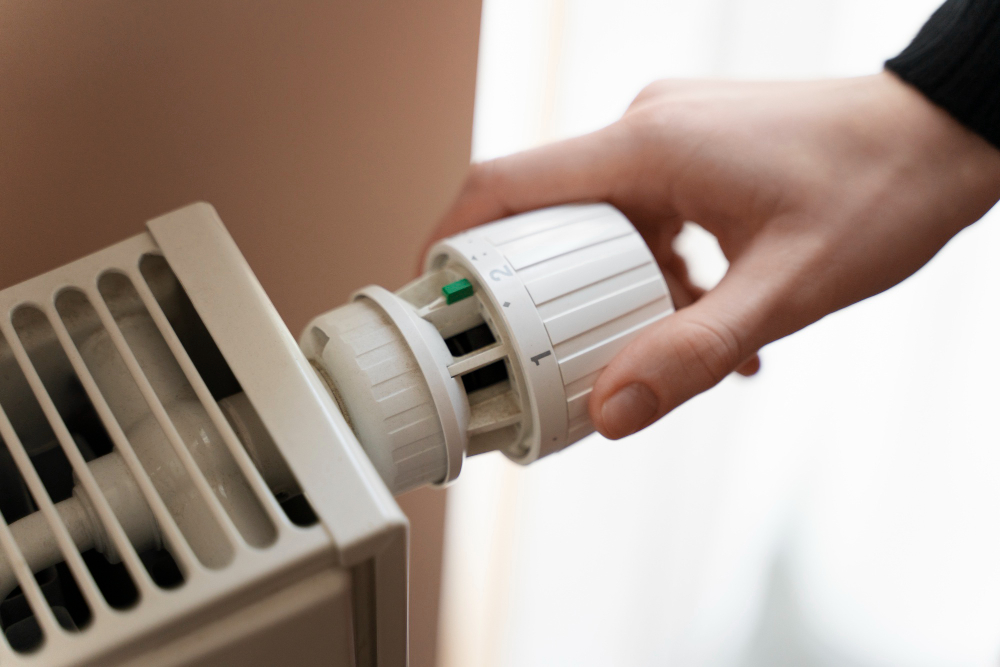
For homes using central heating or hydronic radiators, adding smart thermostatic radiator valves enables zone-by-zone temperature control. You can keep the living room at 21 °C (70 °F) while lowering temperatures in unused bedrooms during the day.
5. Automated Routines and Smart Ecosystems
Integrating smart accessories into platforms like Google Home, Apple Home, or Amazon Alexa simplifies creating automated scenes. For example, a single "Good Night" command can turn off interior lights, lower motorized blinds, and drop the thermostat to eco mode overnight.