Lighting: Efficiency and Clarity at Home
Temas: Environment | Saving & Recycling
Types of Lighting and Technological Evolution
Electric lighting is a fundamental daily need, accounting for approximately 10% to 15% of total household electricity usage.
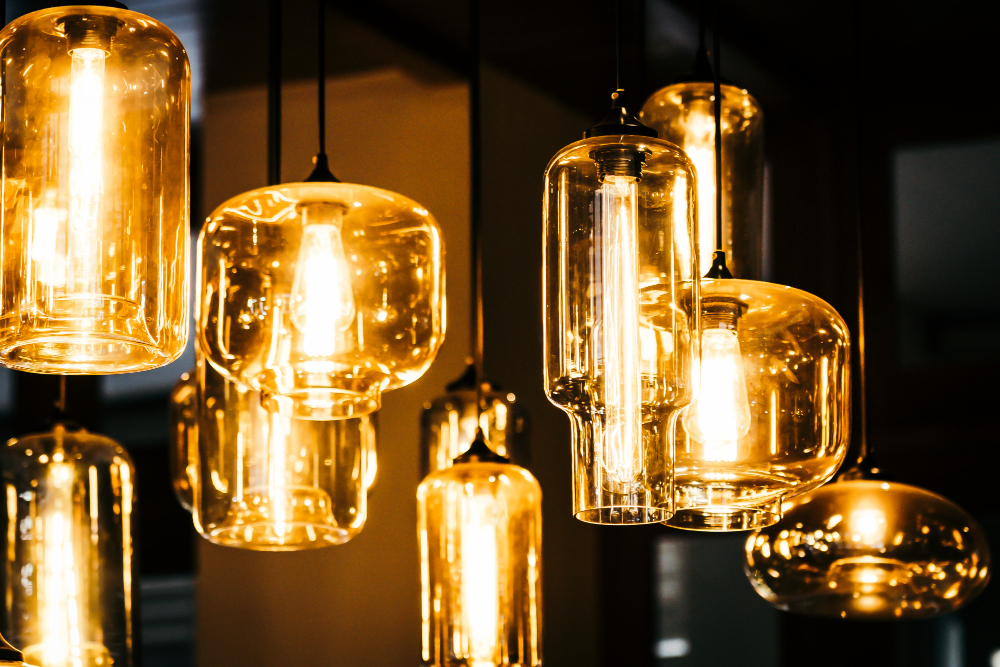
Lighting technology has evolved dramatically over recent years:
- Incandescent and Halogen Bulbs (Phased Out): Extremely inefficient, converting up to 95% of their electricity intake into waste heat and only 5% into light. Their manufacture and sale are now banned.
- Fluorescents and Compact Fluorescents / CFLs (Phased Out): While more efficient than incandescent options, they contained mercury and required time to reach full brightness. They have also been phased out under modern environmental directives.
- LED Technology (The Current Standard): Uses up to 80%–90% less energy than traditional incandescent bulbs, provides instant full brightness, and offers an average operational lifespan of 15,000 to 25,000 hours (over 15 years of standard use).
Luminous Efficacy: Lumens vs. Watts
When comparing modern bulbs, you should look beyond watts (W)—which measure power consumption—and focus instead on luminous efficacy, measured in lumens per watt (lm/W):
- Lumens (lm) indicate the actual amount of light output produced by the bulb.
- Modern LED bulbs deliver over 100 lm/W, whereas legacy incandescent bulbs barely achieved 12 lm/W.
Practical Decalogue for Efficient Lighting
- Limit decorative accent lighting: Avoid leaving high-wattage accent lighting, garden spotlights, or decorative LED strips running continuously when not needed.
- Maximize natural daylight: Position desks and reading areas near windows, and avoid blocking sunlight with heavy, dark drapes.
- Paint walls and ceilings in light colors: White and soft pastel wall finishes reflect both natural and artificial light effectively, reducing the need for high-wattage fixtures.
- Upgrade all remaining legacy bulbs to LED: The initial cost of LED bulbs is recovered within months through noticeable reductions on your electric bill.
- Turn off lights when leaving a room: Build the habit of switching off light fixtures whenever an area is unoccupied.
- Keep lamps and fixtures clean: Accumulated dust on bulbs and shades can block up to 20% of light output without reducing the energy drawn.
- Use task lighting: Focus light directly where it is needed (such as desk lamps for studying or under-cabinet lights for cooking) rather than illuminating an entire room with multi-bulb ceiling fixtures.
- Install motion sensors: In transient areas like hallways, garages, pantries, or entryways, occupancy sensors prevent lights from being left on accidentally.
- Use LED-compatible dimmers: Adjusting brightness levels to suit the activity lowers power consumption proportionally.
- Implement smart lighting: Smart bulbs and automated schedules ensure lights are only active when needed and enable easy remote shut-off.
Tipos: Theory
Edades: +16 years old | 06-12 years old | 12-16 years old | All ages
Etiquetas: Climate Change - Electricidad - Electricity - energy - environment - Fuentes de energía - Greenhouse effect - Medio ambiente