Small Household Appliances: Efficiency in Daily Habits
Temas: Environment | Saving & Recycling
The Impact of Small Appliances
Small appliances are often overlooked on the electricity bill due to their compact size, but their energy footprint depends directly on how they function:
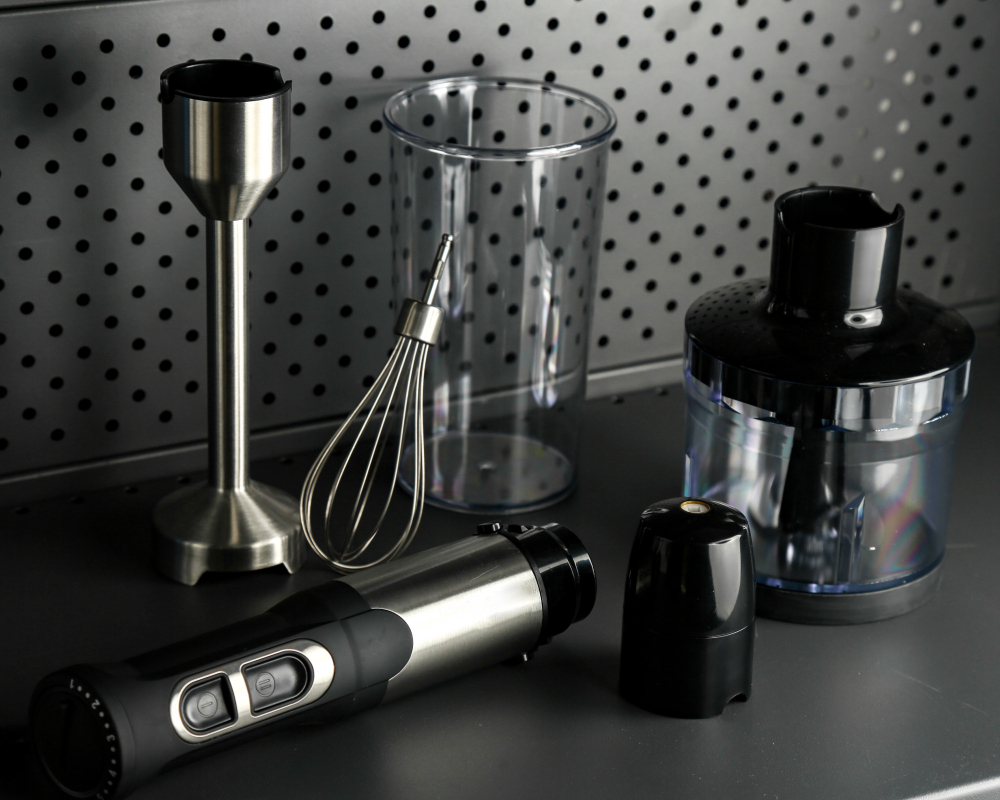
- Motor-Driven Appliances (Low Consumption): Blenders, food processors, juicers, and epilators. These operate at relatively low wattages (200 W to 800 W) and run for very short periods, making their energy impact negligible.
- Heat-Generating Appliances (High Consumption): Clothes irons, toasters, hairdryers, hair straighteners, electric kettles, and coffee makers. These convert electricity directly into heat, often reaching power ratings of 1,500 W to 2,500 W—matching or exceeding the power draw of major appliances.
- Continuously Charged Devices: Robot vacuums, electric toothbrushes, and cordless tools. While their instantaneous draw is low, proper charger management is needed to avoid standby power loss.
Coffee Makers, Air Fryers, and Compact Cooking
Modern kitchens have seen a shift in daily equipment:
- Air Fryers: Offer a fast, energy-efficient alternative to full-sized ovens for small portions because they do not require lengthy preheating.
- Electric Kettles: Heat water much faster and more efficiently than conventional ceramic or gas stovetops.
- Espresso and Capsule Machines: Turning off the machine immediately after brewing prevents internal heating elements from drawing unnecessary power to maintain temperature.
Practical Tips for Saving Energy with Small Appliances
Home Care & Personal Grooming
- Batch your ironing: Iron large batches of clothes in a single session. Irons draw the most power when heating up from room temperature; ironing everything at once avoids heating the appliance multiple times.
- Start with delicate fabrics: Begin ironing items that require lower heat (synthetics, silk) while the iron is warming up, and switch off the iron a few minutes early to use residual heat for the final garments.
- Turn off styling tools during breaks: Switch off hair straighteners and dryers whenever you pause during your styling routine.
- Towel-dry hair before blow-drying: Remove excess moisture with a towel first to cut drying time and energy use in half.
Kitchen & Maintenance
- Clean filters and dustbins: Vacuum cleaners and hairdryers with clogged filters must work harder to maintain airflow, consuming more electricity and reducing their lifespan.
- Descale kettles and coffee makers regularly: Limescale buildup on heating elements acts as thermal insulation, forcing the appliance to run longer to heat water.
- Unplug chargers when full: Disconnect charging docks for hand vacuums or power tools once batteries are fully charged to eliminate phantom loads.
Tipos: Theory
Edades: +16 years old | 06-12 years old | 12-16 years old | All ages
Etiquetas: Climate Change - Electricidad - Electricity - energy - Fuentes de energía - Greenhouse effect - Medio ambiente
Related content:
 The Dishwasher: Efficiency and Savings in Daily Washing
 October 18, 1931 – Death of Thomas Alva Edison, an inventor with 1,093 patents who knew how to modify the customs and habits of his time
 February 11, 1847 – Birth of Thomas Alva Edison, an inventor with 1,093 patents who was able to modify the customs and habits of his time