Refrigerator: The Silent Giant of Household Energy Consumption
Temas: Environment | Saving & Recycling
Refrigerator Energy Consumption
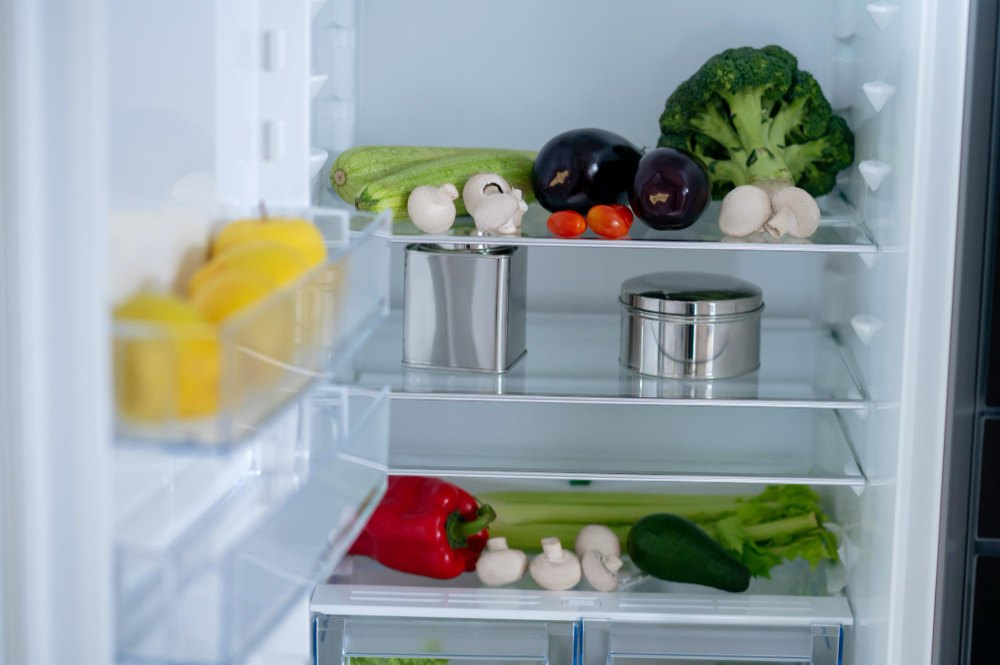
The refrigerator accounts for the highest cumulative energy consumption in most homes. While its instantaneous power draw is relatively low (around 150 W to 250 W), its continuous 24/7 operation makes it the single largest electricity consumer in the household.
Optimizing its performance not only protects your wallet but also extends the appliance's lifespan and lowers associated carbon emissions.
Practical Decalogue for Efficient Refrigerator Use
- Choose high energy efficiency: When purchasing a new refrigerator, look for models with top ratings under the current European energy label (ranging from A to G). While upfront costs may be slightly higher, long-term savings on your utility bills quickly offset the difference.
- Keep it away from heat sources: Never place the refrigerator next to ovens, stovetops, or areas exposed to direct sunlight. External heat forces the compressor to work harder.
- Select the right size: Do not buy an oversized refrigerator if you live alone or in a small household. Excess empty space consumes resources unnecessarily.
- Check door seals: Regularly inspect the magnetic door gaskets to ensure they are clean and seal tightly, preventing cold air leaks and warm air infiltration.
- Clean the condenser coils: Remove accumulated dust from the rear grille at least once a year to ensure proper heat dissipation.
- Let food cool down first: Never put hot food directly into the refrigerator. Let meals reach room temperature beforehand to avoid overworking the compressor.
- Thaw food in the fridge compartment: Moving frozen items to the refrigerator compartment to thaw harnesses their "residual cold," helping cool the fridge for free.
- Maintain optimal temperatures: The ideal temperature is between 4 °C and 5 °C (39 °F–41 °F) for the fresh food compartment and -18 °C (0 °F) for the freezer. Setting temperatures lower than necessary does not improve food preservation; it only spikes energy consumption.
- Minimize door-opening time: Avoid keeping the door open for extended periods while browsing. Organize your food placement so you can find items quickly.
- Prevent ice buildup: In non-No Frost models, defrost the freezer before ice layers exceed 3 mm in thickness, as excess frost acts as a thermal insulator and drastically increases electricity consumption.
Tipos: Theory
Edades: +16 years old | 06-12 years old | 12-16 years old | All ages
Etiquetas: Climate Change - Electricidad - energy - environment - Fuentes de energía - Greenhouse effect - Medio ambiente