Neutrons are part of nuclear techniques applied to cultural heritage
Since the discovery of nuclear energy, many applications have been developed, such as producing electricity, diagnosing and treating diseases, caring for the environment, etc. However, one of them is little known: the study, conservation, restoration, and disinfection of cultural, artistic, or historical heritage.
In this article, we focus on neutron-based nuclear science and technology for the study of cultural heritage, but if you want to know more about what else can be done, have a look at our article: What can nuclear technology do for artistic, cultural, and historical heritage?
Neutron Activation Analysis (NAA)
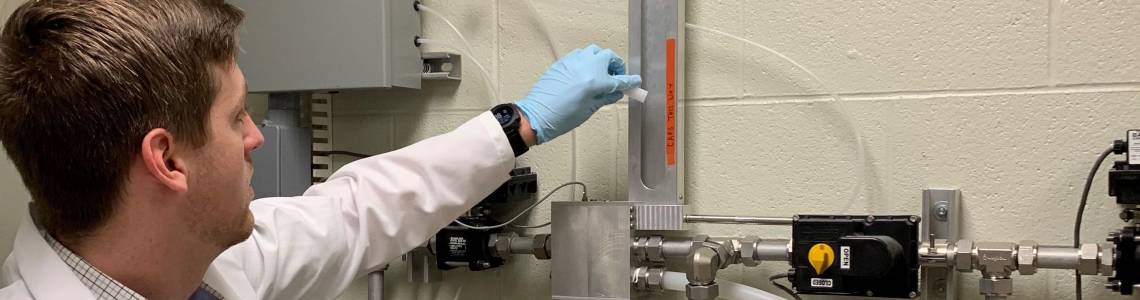
Neutron activation is a common type of highly sensitive, non-destructive analysis that can reveal the atomic concentration of a single atom in a million, without altering or destroying the material.
This technique, discovered in 1935 by George de Hevesy and Hilde Levi, initially proved to be a useful tool for measuring the mass of rare earths and is now being applied to analyze cultural heritage.
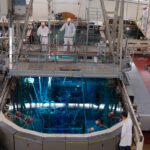
It consists of irradiating stable atoms with neutrons which, by trapping the neutron, can result in radioactive isotopes capable of emitting gamma radiation, and then measuring the decay or radiation of the elements in the sample. Virtually any reactor operating at a thermal power of 10 to 30 kilowatts is capable of providing sufficient neutron flux to irradiate samples.
This technique makes it possible:
- Identify and quantify the elements present in an object, providing detailed information on its chemical composition.
- Determine the geographical origin of materials used in objects, which is useful for studying ancient trade routes and manufacturing techniques.
- Obtain information on original materials and those used in previous restorations, helping conservators to plan interventions appropriately.
- Identify the presence of contaminants or harmful elements that could affect the conservation of objects.
- Although not directly used for disinfection, it can help to identify elements that may indicate the presence of micro-organisms or pests, facilitating the planning of appropriate disinfection treatments.
- Reveal inconsistencies in the elemental composition of objects that could indicate counterfeits.
- Compare the composition of objects with known reference materials, providing additional evidence of authenticity.
The following are some examples of the application of this technique:
- A study using AAN revealed that Napoleon was not poisoned.
- The use of AAN to analyze archaeological ceramics helps to determine their origin and manufacturing techniques.
- The study of 51 pieces of obsidian from the Maltrata Valley in Veraz Cruz (Mexico) using AAN to identify raw material sources and trade routes in the region.
- The analysis of pigments used in ancient paintings provides information on the materials and techniques used by artists in their paintings.
Along with neutron activation analysis, several complementary methods are used for the study, conservation, restoration, disinfection, and authentication of cultural heritage. The most common are:
- X-ray fluorescence (XFR). Used to analyze the elemental composition of objects. It is especially useful for identifying pigments in paintings and the composition of metals.
- Raman spectroscopy. Used to identify molecules and crystalline structures in cultural materials. It is particularly used to analyze pigments and organic materials.
- Infrared spectroscopy. Allows the identification of organic and inorganic materials in cultural objects. It is particularly used for the analysis of paint layers and fillers.
- X-ray diffraction (XRD). Analyzes the crystalline structure of materials, providing information on their composition and state of preservation.
If you want to know more about nuclear techniques applied to preserve cultural heritage with examples, you can consult this publication of the International Atomic Energy Agency (IAEA) entitled: "Uses of Ionizing Radiation for Tangible Cultural Heritage Conservation"