Onkalo (Finland), the world’s first permanent nuclear waste repository
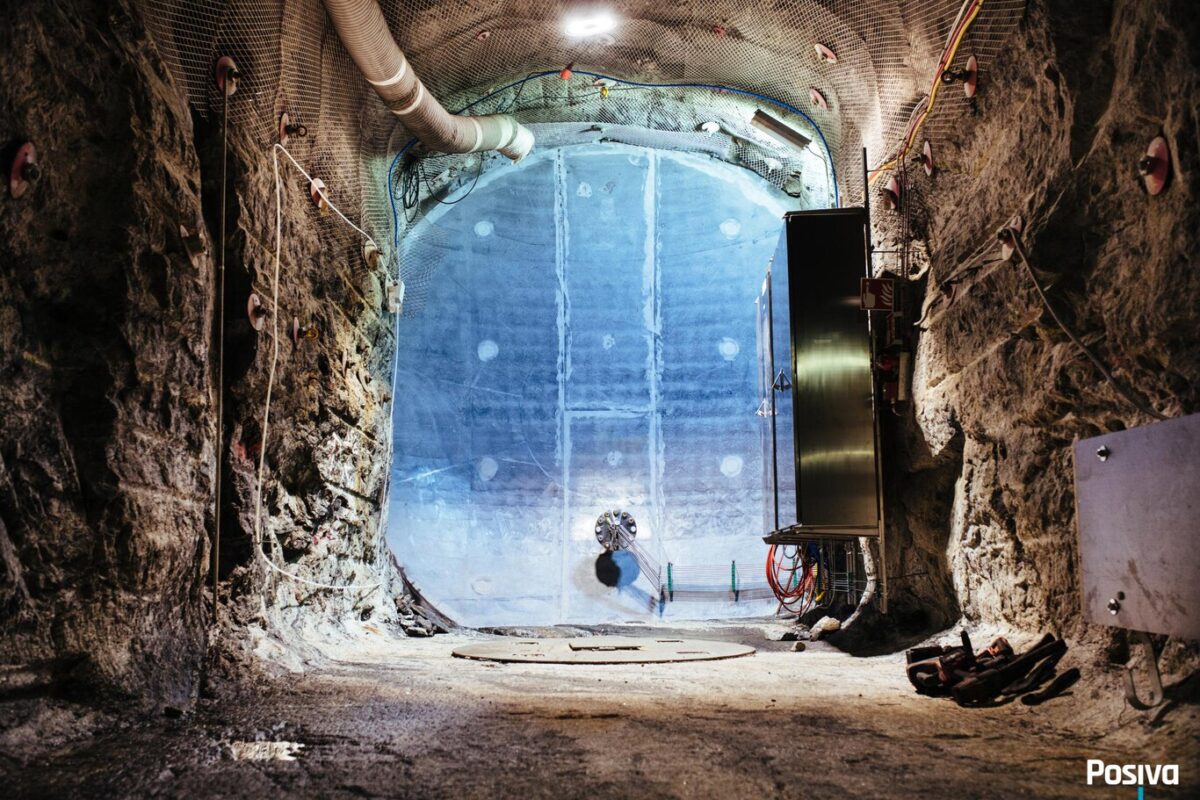
430 metres underground, within a labyrinth of tunnels carved into a 1.9-billion-year-old bedrock composed of migmatite-gneiss (known for its high stability and low risk of earthquakes), lies the world’s first permanent repository for radioactive waste.
Onkalo means ‘cave’ in Finnish, and construction began on the country’s west coast in 2004. It is situated on the remote island of Olkiluoto, in a densely wooded area, and the nearest town is Eurajoki, some 15 kilometres inland, with a population of approximately 9,000, most of whom work at the nuclear power station or the storage facility.
Posiva, the company responsible for the long-term management of Finland’s spent nuclear fuel, states that Onkalo can store up to 6,500 tonnes of this type of waste, which would be transported to the facility from a nearby encapsulation plant using unmanned machinery. The radioactive fuel rods would be sealed in copper containers and buried in the tunnels, which would then be backfilled with ‘buffer’ layers of water-absorbent bentonite clay.
The containers are designed to remain sealed long enough for the radioactivity of the spent fuel to decay to a level that is not harmful to the environment.
The project, valued at €1 billion and funded by Finnish nuclear industry companies, is, after decades of construction, on the verge of becoming operational, and the authorities are expected to grant the licence in the coming months.