In the Kitchen: Energy Saving and Efficient Cooking
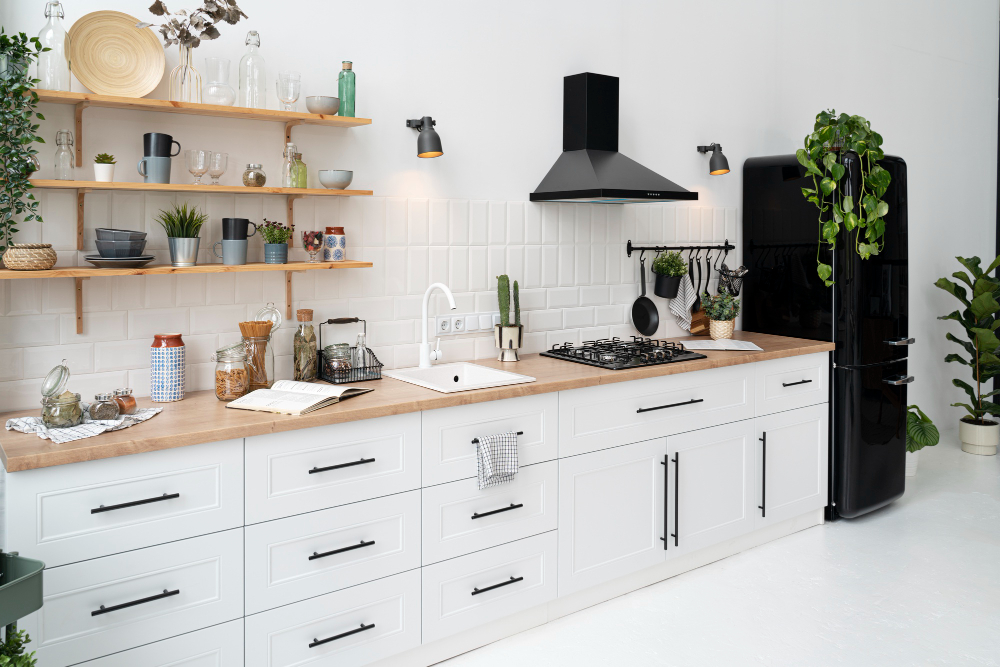
Types of Stoves and Cooktops
Kitchen cooktops are primarily powered by either gas (natural gas or LPG) or electricity.
Electric cooktops fall into three main categories:
- Induction Cooktops: Generate heat using an electromagnetic field that directly heats the cookware rather than the glass surface. They are 20% to 30% more energy-efficient than standard ceramic cooktops, significantly faster, and safer.t than electric ones.
- Conventional Electric Coils/Cast Iron: Highly inefficient with slow heat response; now largely obsolete.
- Standard Ceramic Radiant Cooktops (Vitroceramic): Heat using electrical resistances beneath glass. They take longer to heat up and cool down.
While gas was historically considered cheaper, modern induction technology provides top-tier energy performance, minimal wasted ambient heat, and integrates seamlessly with home solar power setups.
Microwaves and Air Fryers
Over 80% of households use a microwave daily. Beyond being the fastest option for reheating or defrosting, using a microwave instead of a traditional oven yields energy savings between 60% and 70%.
For small to medium portions, air fryers (compact convection ovens) are an exceptionally energy-efficient alternative to full-sized ovens, requiring virtually no preheating and concentrating heat in a smaller chamber.
Electric Ovens
The oven is one of the highest wattage appliances in the home, making efficient usage essential for keeping electricity bills under control.
- Energy Ratings: When purchasing an oven, choose models with high energy efficiency ratings (Class A+ or higher).
- Convection Ovens (Fan-Assisted): They are the most efficient models. The internal fan circulates hot air evenly, allowing you to lower cooking temperatures by around 20 °C (35 °F) and shorten cooking times.
Practical Tips to Save Energy While Cooking
On the Cooktop
- Use heavy, flat-bottomed cookware: On ceramic and induction hobs, ensure cookware bottoms are completely flat and match the burner size to maximize heat transfer.
- Opt for high-speed pressure cookers: They minimize steam loss, cut cooking time by up to 70%, and save significant amounts of energy.
- Always cover pots and pans: Covering your cookware retains heat and allows you to reduce heat output settings by up to 25%.
- Utilize residual heat: On standard ceramic hobs and electric coils, turn off the burner 5 minutes before finishing (note: induction hobs leave very little residual heat on the surface).
In the Oven
- Maximize oven capacity: Cook multiple dishes simultaneously whenever recipes allow.
- Avoid opening the oven door unnecessarily: Opening the door lets 20% to 25% of accumulated heat escape, forcing the heating elements to work harder.
- Limit preheating time: Preheating for 10 to 15 minutes is more than enough. For long roasts (over 1 hour), preheating is often unnecessary altogether.
- Turn off the oven early: Turn off the appliance 5 to 10 minutes before cooking finishes and let the residual heat complete the job.